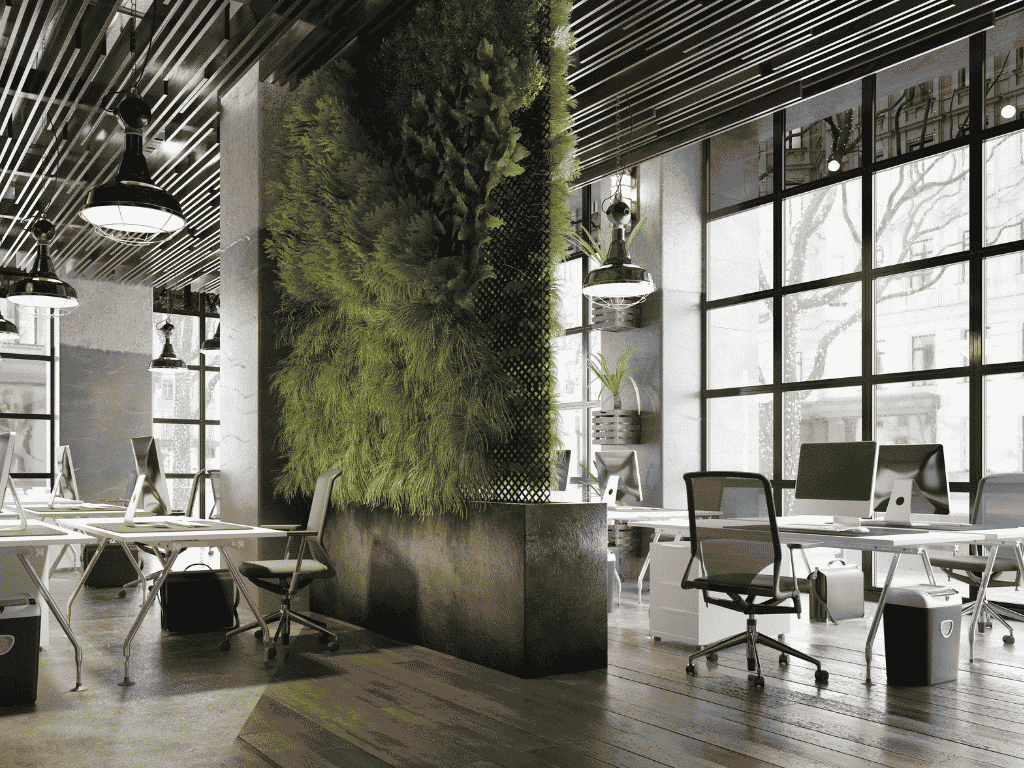
Starting a commercial building project is an exciting step for any business. Whether you are opening a new venue, upgrading an office, fitting out a retail store or preparing a hospitality space, the right building partner can make the process smoother, more efficient and far less stressful.
Commercial projects often involve more than general construction. They can include planning, approvals, site preparation, building works, fitouts, refurbishments, joinery, project management and final handover. Understanding these key stages before work begins can help you make better decisions, avoid delays and create a space that genuinely supports your business.
For businesses looking into commercial building services, it is important to know what is involved, what questions to ask and how to choose a builder with the right experience for your type of project.
Commercial building services refer to the professional construction, fitout and project management services required to create or improve a commercial space. These services can apply to many types of business premises, including offices, retail stores, cafes, restaurants, warehouses, medical suites, hospitality venues and other commercial environments.
Unlike residential building, commercial projects usually need to consider business operations, customer flow, compliance requirements, accessibility, staff productivity, brand presentation and long-term durability. The finished space needs to look good, but it also needs to function properly for the people using it every day.
A complete commercial building service may include:
Working with one experienced team can help keep these moving parts organised from start to finish.
Good planning is one of the most important parts of any commercial building project. Before construction begins, your builder should take the time to understand your business, your goals and how the space needs to operate.
This stage may include reviewing the site, discussing your budget, understanding your timeline, identifying potential constraints and clarifying the scope of work. For example, a cafe fitout will have different requirements to an office refurbishment or warehouse fitout. A restaurant may need careful planning around kitchen flow, ventilation, drainage, service areas and seating layouts, while a retail store may focus more on display areas, customer movement and brand presentation.
Clear planning helps reduce uncertainty. It also gives your builder a stronger foundation for coordinating trades, materials, scheduling and approvals.
Before starting your project, it is worth asking:
The earlier these details are discussed, the easier it is to prevent issues later.
Commercial construction can involve new builds, extensions, structural changes or upgrades to existing commercial properties. This stage requires strong project management because every decision can affect safety, compliance, cost and long-term usability.
For businesses, the goal is not simply to build a structure. The goal is to create a practical commercial environment that supports the way the business operates.
A well-managed commercial construction project should consider:
This is where an experienced commercial builder becomes valuable. They can help turn the project brief into a functional, buildable outcome while managing trades, timelines and site requirements.
For businesses planning a new commercial space or major upgrade, choosing a builder with commercial experience is essential. Commercial environments often have tighter timeframes, more stakeholders and greater operational pressure than residential projects.
A commercial fitout focuses on the internal layout, finishes and functional elements of a business space. This may include walls, flooring, ceilings, lighting, fixtures, counters, workstations, storage, seating, service areas and custom joinery.
Fitouts are common across many industries. A retail business may need product displays, fitting rooms and point-of-sale counters. An office may need meeting rooms, workstations, breakout areas and acoustic solutions. A cafe may need a service counter, food preparation zones, customer seating and efficient staff movement. A warehouse may need practical work areas, office space, storage zones and durable finishes.
The best fitouts balance appearance with performance. A space might look impressive on opening day, but it also needs to handle daily use. Flooring should suit foot traffic. Joinery should be durable. Work areas should support staff efficiency. Customer-facing areas should feel welcoming and aligned with the brand.
When planning a commercial fitout, businesses should consider:
A good fitout should make the business easier to run, not just more attractive.
Not every project starts from an empty site. Many businesses already have a commercial space but need it improved, modernised or reconfigured. This is where refurbishments become useful.
A commercial refurbishment may involve updating outdated finishes, improving workflow, replacing worn materials, changing the layout, refreshing customer-facing areas or preparing the premises for a new business direction.
For example, an office may need to shift from enclosed rooms to a more flexible open-plan layout. A retail store may need a new look to better match its brand. A hospitality venue may need improved seating, service areas or back-of-house functionality.
Refurbishments can be highly effective, but they need careful planning. If the business remains open during works, staging and communication become especially important. Your builder should help plan the safest and least disruptive way to complete the project.
Commercial leases often include make-good obligations. This means the tenant may need to return the premises to an agreed condition before leaving. Depending on the lease, this could involve removing fitout elements, repairing surfaces, taking out signage, restoring walls or completing other strip-out works.
Make-good requirements can sometimes be overlooked until the end of a lease, which can create unnecessary pressure. Businesses should review their lease early and speak with a commercial builder if they are unsure what needs to be done.
Professional make-good and strip-out services can help ensure the space is left clean, safe and ready for the next tenant or landlord inspection.
Joinery plays a major role in many commercial fitout, refurbishment and construction projects. It includes custom-built elements such as reception counters, service counters, cabinetry, shelving, display units, seating, storage, workstations and feature pieces.
Good commercial joinery is not just decorative. It affects how a space works. A well-designed reception counter can improve customer flow. Smart storage can reduce clutter. Durable cabinetry can withstand daily use. Custom seating or shelving can help maximise limited space.
Because joinery is often one of the most visible parts of a commercial fitout, it also influences how customers perceive the business. Poorly designed or low-quality joinery can make a space feel unfinished. Well-built joinery can create a polished, professional result that supports both function and brand identity.
When joinery is planned as part of the overall build or fitout, the final result is usually more cohesive. Measurements, finishes, layout and installation can be coordinated properly, reducing the risk of delays or mismatched details.
Commercial projects involve many different people and tasks. Builders, electricians, plumbers, cabinet makers, certifiers, suppliers, designers and other trades may all be involved at different stages. Without clear project management, communication can become confusing and delays can build quickly.
Full project management helps keep the process organised. It gives the business one central point of contact and ensures the work is coordinated properly.
A project-managed approach can help with:
For business owners and managers, this can make a significant difference. Instead of trying to coordinate every trade separately, they can focus on their business while the builder manages the construction process.
The right commercial builder should understand more than construction. They should understand how commercial spaces are used, how businesses operate and how to deliver practical outcomes within real-world constraints.
Before choosing a builder, look for experience in projects similar to yours. A builder who understands commercial fitouts, construction and joinery will be better placed to manage the details that affect your project.
It is also important to consider communication. Commercial projects often require quick decisions and clear updates. A builder who communicates well can help reduce stress and keep everyone aligned.
When comparing commercial building services, businesses should look for:
A good builder should be able to explain the process clearly and provide guidance without making the project feel overwhelming.
HBX Built provides commercial building services for businesses planning new commercial construction, commercial fitouts, refurbishments, end-of-lease make-good works and integrated joinery as part of broader fitout and construction projects.
Based in Brendale, HBX works with businesses across Brisbane, the Gold Coast, the Sunshine Coast and surrounding areas, delivering practical commercial spaces with a focus on quality, detail and project coordination. Their services cover a wide range of commercial environments, including office, retail, hospitality, cafe, restaurant and warehouse projects.
With experience across construction, fitouts and integrated commercial joinery, HBX can support businesses through the different stages of a project, from planning through to completion. This integrated approach helps ensure the finished space is not only well built, but also suitable for the way the business needs to operate.
Starting a commercial building project is a major decision, and the success of the outcome depends heavily on the planning, team and process behind it. From early project coordination and construction through to fitouts, refurbishments, joinery and handover, every stage plays a role in creating a space that works for your business.
Before beginning, businesses should take the time to understand what services are involved, what their space needs to achieve and what type of builder is best suited to the project. Clear planning, strong communication and experienced project management can help reduce delays, control disruption and deliver a more functional result.
For businesses looking for reliable commercial building services, working with a team that understands construction, fitouts and joinery can make the entire process more efficient and more successful.

© 2025 HBX Built | All Rights Reserved | Developed by
