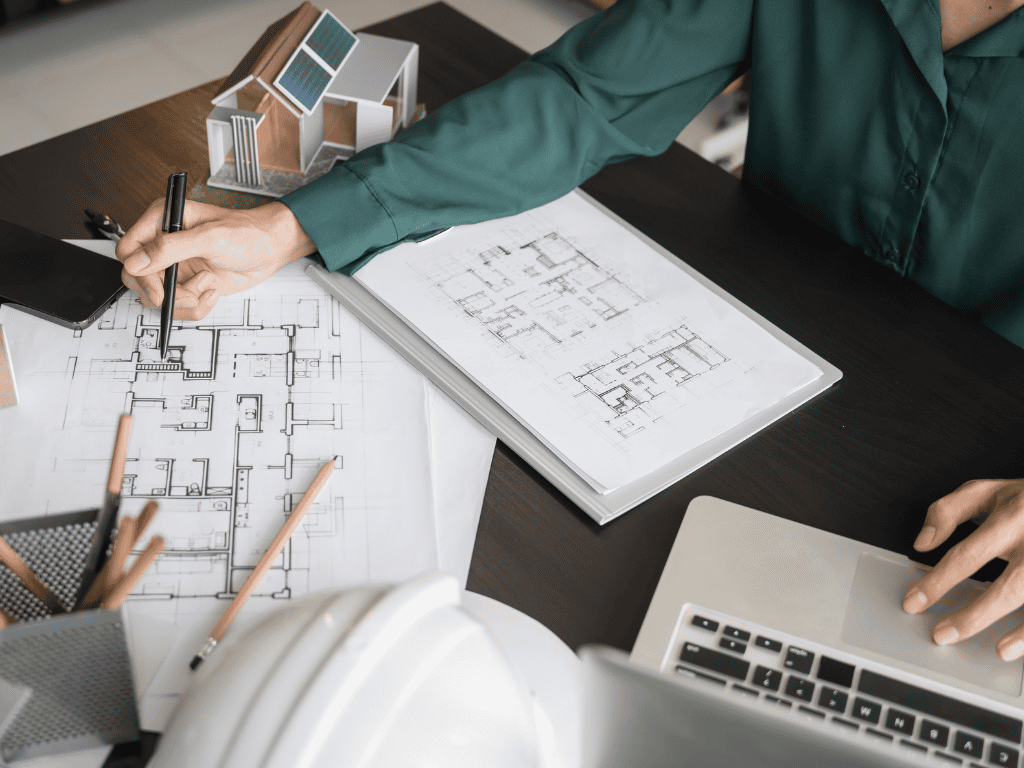
Choosing the right commercial builder is one of the most important decisions you will make when planning a new build, fitout, refurbishment or commercial upgrade. The builder you appoint will have a direct impact on the quality of the finished space, the project timeline, the budget, compliance requirements and the overall experience from start to finish.
A commercial project is very different from a residential build. It often involves stricter regulations, tighter deadlines, more stakeholders, operational considerations and a higher level of coordination between designers, consultants, trades, suppliers and business owners. Whether you are opening a retail store, upgrading an office, fitting out a hospitality venue or planning a small to mid-scale commercial construction project, the builder you choose needs the right experience, systems and communication style to manage the work properly.
This guide explains what to look for when choosing a commercial builder, so you can move forward with greater confidence and avoid common issues that can cause delays, budget pressure or poor results.
The first thing to consider is whether the builder has genuine commercial construction experience. A builder may be highly skilled in residential work, but that does not always mean they are the right fit for a commercial environment.
Commercial projects often include different building codes, access requirements, safety procedures, tenancy rules, council considerations and business deadlines. For example, a retail fitout in a shopping centre may require after-hours works, strict noise control, centre management approvals and coordination with other contractors. A medical, office or hospitality fitout may involve detailed service requirements, integrated joinery, plumbing, electrical works, fire safety considerations and accessibility compliance.
When reviewing a commercial builder, look at their previous projects. Have they completed work similar to yours? Do they understand your type of business environment? Can they manage both the construction and the practical details that affect how your space will function once complete?
A strong commercial builder should be able to show experience across relevant project types, such as commercial fitouts, refurbishments, new builds, retail spaces, hospitality venues, office upgrades and joinery integrated into wider fitout or refurbishment projects. This gives you confidence that they understand the expectations, processes and challenges involved.
Licensing and insurance should never be treated as a minor detail. Before engaging a commercial builder, confirm that they hold the appropriate building licences for the type and location of work being completed. This is especially important for commercial projects, where the scope may include structural work, fitout works, services coordination and compliance obligations.
A reputable commercial builder should also carry suitable insurance, including public liability and other relevant cover for the project. Do not be afraid to ask for confirmation. Professional builders expect these questions and should be comfortable providing the information you need.
Compliance is also a major part of commercial building. Depending on your project, there may be requirements relating to building approvals, fire safety, accessibility, workplace health and safety, trade certifications, tenancy conditions and local council regulations. Your builder does not need to personally complete every specialist task, but they should know how to coordinate the right people and ensure the project is delivered in line with required standards.
Choosing a properly licensed and insured builder helps protect your business, your investment and the people who will use the finished space.
Clear communication is one of the strongest signs of a reliable commercial builder. From the first enquiry, pay attention to how the builder responds. Are they organised? Do they ask thoughtful questions? Do they explain the process clearly? Are they realistic about timelines, budgets and project requirements?
Poor communication early on can become a bigger problem once the project begins. Commercial building involves many moving parts, and small misunderstandings can quickly affect scheduling, costs and the final result.
A good commercial builder should communicate clearly about:
You should feel comfortable asking questions and raising concerns. The right builder will not dismiss your input or confuse you with unnecessary jargon. Instead, they will help you understand what is happening and what decisions need to be made.
Good communication also means being honest. If something is likely to affect the budget or timeline, it is better to know early rather than after the issue has grown.
Strong project management is essential for any commercial build. Even a skilled builder can run into problems if the project is not planned, scheduled and coordinated properly.
Before choosing a builder, ask how they manage their projects. Who will be your main point of contact? How are trades scheduled? How are materials ordered? How are variations handled? How often will you receive updates? What systems are in place to monitor progress and quality?
A well-managed commercial project should have a clear structure from the beginning. This may include site planning, construction scheduling, procurement, subcontractor coordination, safety management, quality checks and handover preparation.
Project management is especially important if your business needs to keep operating during the works. For example, a staged refurbishment may need to be planned around staff, customers, trading hours or tenant access. A capable commercial builder will consider these factors and work with you to reduce disruption where possible.
The right builder should not only focus on completing the work. They should also focus on delivering the project in a controlled, organised and professional way.
Commercial capability is about more than being able to build. It is about understanding how commercial spaces need to perform.
A commercial builder should consider the practical needs of the business, the people using the space and the long-term value of the project. For example, a retail store needs to support customer movement, product display, lighting, storage and brand presentation. A hospitality fitout needs to consider service flow, durability, compliance, kitchen or bar requirements and customer experience. An office fitout needs to support productivity, comfort, accessibility and future flexibility.
This is where experience across different commercial sectors can be valuable. A builder who understands commercial environments can help identify issues early, coordinate trades properly and ensure the finished space is not only attractive but functional.
When speaking with potential builders, ask how they approach the practical side of a project. Do they consider workflow? Do they understand the importance of durable materials? Can they coordinate joinery, services and finishes as part of the broader build? Can they work with designers, architects, consultants and tenancy managers?
A capable commercial builder will understand that the final space needs to work for the business, not just look complete on handover day.
It can be tempting to choose the lowest quote, especially when managing a commercial budget. However, the cheapest option is not always the best value.
Commercial building quotes can vary significantly depending on what is included, what is excluded, the level of detail provided and the quality of materials or finishes allowed for. A low quote may not include key items, or it may rely on unrealistic allowances that lead to extra costs later.
When comparing quotes, look beyond the final price. Check whether each quote clearly explains:
A transparent quote is a good sign that the builder has taken the time to understand the project properly. If something is unclear, ask for clarification before making a decision.
The aim is not simply to find the cheapest commercial builder. The aim is to find the builder who can deliver the right result with clear pricing, realistic planning and fewer surprises.
A builder’s previous projects can tell you a lot about their capability. Review their project portfolio and look for work that reflects the type of outcome you want to achieve.
Pay attention to finish quality, attention to detail, layout, materials, joinery and how well the space appears to support its intended purpose. A commercial project should look professional, but it should also feel practical and well considered.
If possible, ask about projects that are similar to yours. For example, if you are planning a retail fitout, look for experience in retail environments. If you need a commercial refurbishment, check whether the builder has managed upgrades in active or existing spaces. If your project includes custom joinery, make sure the builder can coordinate it properly within the overall construction process.
A strong portfolio shows more than visual appeal. It shows consistency, problem-solving ability and experience delivering commercial spaces to a professional standard.
Commercial projects are often time-sensitive. Delays can affect opening dates, lease agreements, staff planning, revenue, customer access and other business operations.
Before appointing a builder, discuss your ideal timeframe and ask whether it is realistic. A professional commercial builder should be honest about availability, lead times and any risks that may affect the schedule.
Be cautious if a builder promises an unusually fast turnaround without explaining how it will be achieved. A proper timeline should consider planning, approvals, materials, trade availability, site access and the complexity of the work.
The best builders are not only focused on speed. They focus on delivering the project safely, efficiently and correctly. A realistic timeline is far more valuable than an optimistic promise that cannot be met.
Changes can happen during commercial projects. Sometimes they are caused by site conditions, design changes, compliance requirements or client decisions. What matters is how the builder manages those changes.
Before work begins, ask how variations are documented, priced and approved. A professional builder should have a clear process so that you understand the cost and timing impact before additional work proceeds.
This protects both you and the builder. It reduces confusion, avoids unexpected invoices and keeps the project moving with clear decision-making.
A reliable commercial builder will not leave important changes to verbal conversations or vague assumptions. They will document variations properly and communicate them clearly.
A commercial project is an investment in your business. The builder you choose should care about the long-term result, not just the immediate construction work.
Good commercial building considers durability, usability, maintenance, compliance, presentation and future flexibility. This is particularly important for businesses that expect heavy foot traffic, regular staff use, customer-facing areas or changing operational needs.
A builder who values long-term outcomes will help you make better decisions about materials, layouts, finishes and construction methods. They will think about how the space will perform once it is being used every day.
This approach can save money and stress over time by reducing avoidable repairs, improving functionality and creating a space that better supports your business goals.
HBX Built works with businesses that need expertly managed commercial building services, from planning through to handover. With experience across commercial construction, commercial fitouts, refurbishments, retail, office, hospitality, medical and warehouse environments, plus joinery integrated into broader fitout projects, HBX Built understands the importance of delivering spaces that are practical, well-finished and suited to real business needs.
For clients looking for a reliable commercial builder, HBX Built offers the benefit of full-scope project capability. This means key elements of the project can be coordinated under a structured process, helping to create a smoother experience and a more consistent result.
Whether you are planning a new commercial space, updating an existing site or completing a fitout, working with a builder that understands commercial delivery can make a major difference to the outcome.
Suggested internal link: Learn more about HBX Built’s [commercial construction services] or visit the [HBX Built homepage] to explore their project capabilities.
Choosing the right commercial builder is about more than finding someone who can complete the physical work. It is about choosing a team with the right experience, communication, licensing, project management and commercial capability to deliver your project properly.
Take the time to review previous work, compare quotes carefully, ask about timelines, check compliance and understand how each builder manages the process. A reliable commercial builder should give you confidence from the first conversation through to the final handover.
For businesses planning a commercial build, fitout or refurbishment, HBX Built provides experienced commercial building services designed to support a smooth, well-managed project and a high-quality finished space.

© 2025 HBX Built | All Rights Reserved | Developed by
